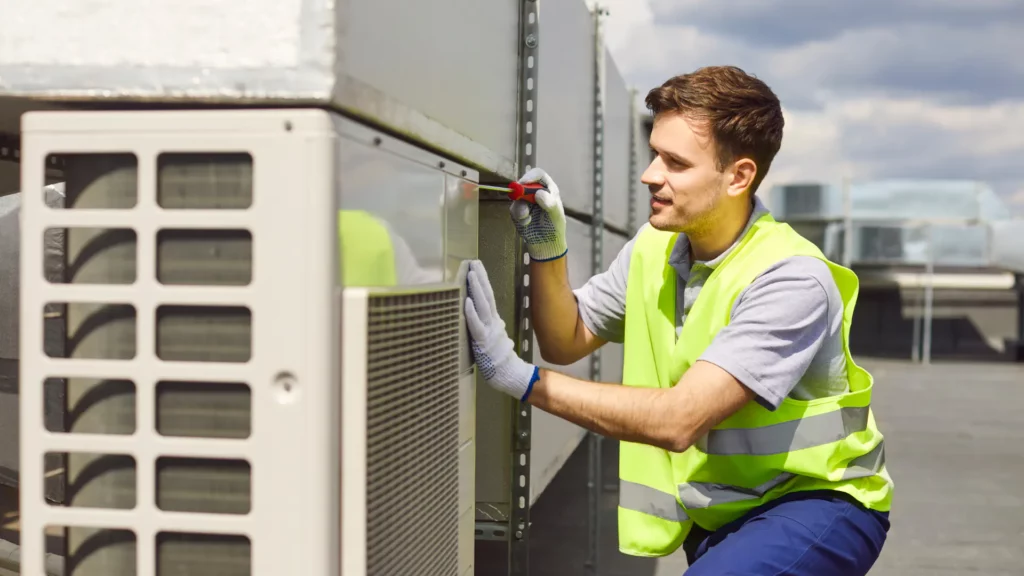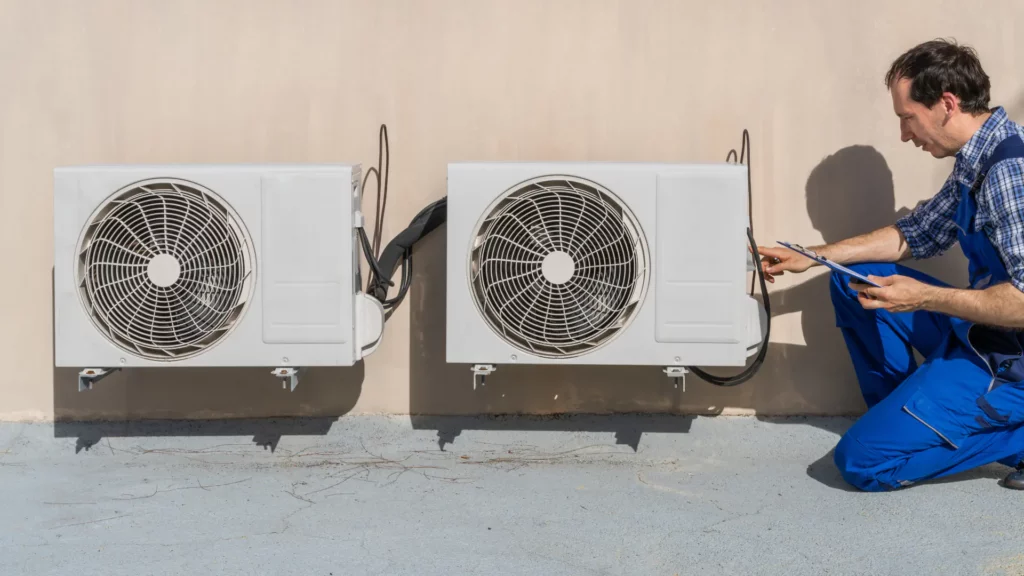
If your home in Colorado Springs constantly feels dry, dusty, or uncomfortable, you are not imagining it. The high elevation and low humidity levels in this region create conditions where dry air stops being a comfort issue and starts becoming a performance problem for your entire HVAC system. At HVAC Authority, we see the effects of this climate on local homes every season.
Dry air pulls moisture from everything around it, your skin, your furniture, and the air your system circulates. Over time, this imbalance forces your equipment to work harder than it should, drives up energy costs, and chips away at indoor comfort. Knowing how this works gives you the upper hand in protecting both your home and your HVAC investment.
How Dry Air Impacts Your Hvac System
Dry air in Colorado Springs reduces system efficiency and increases wear over time. When humidity drops too low, air feels colder than it actually is. That leads homeowners to push the thermostat higher, forcing longer heating cycles and higher energy bills. Extended runtime puts strain on components that would otherwise last years longer with proper humidity control.
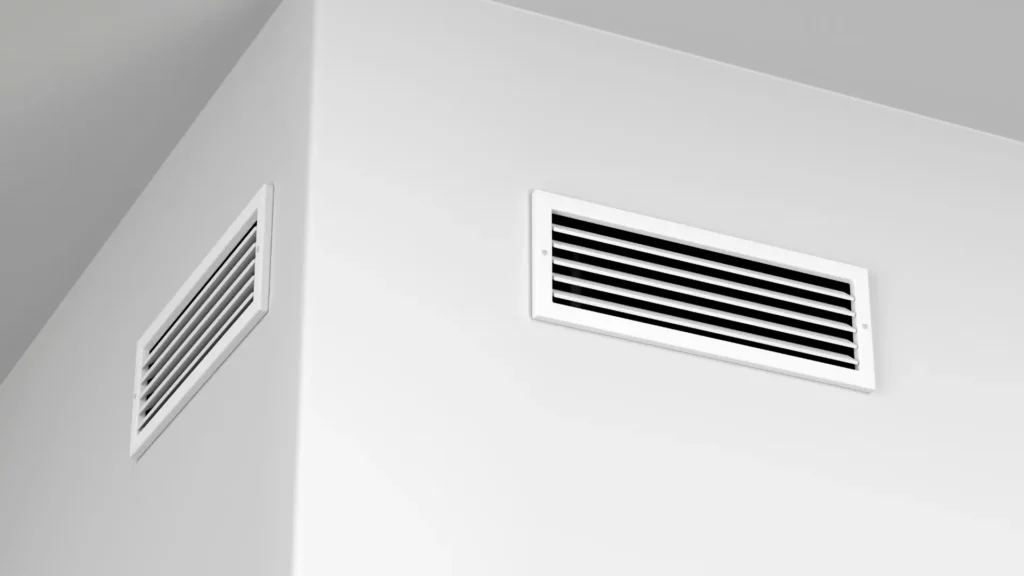
Low humidity also degrades air quality and disrupts airflow. Dry conditions keep dust and particles suspended in the air longer, which clogs filters faster and circulates allergens through every room. In more severe cases, dry air causes materials in your ductwork to contract, creating small gaps that reduce system efficiency and allow conditioned air to escape.
The comfort impact compounds the mechanical one. Static electricity, dry skin, irritated sinuses, and disrupted sleep push homeowners to run their systems more aggressively, without ever addressing the root cause. Colorado Springs HVAC companies that understand the local climate recognize humidity control as a core part of system performance, not an optional add-on. When it comes to heating and cooling in Colorado Springs, managing indoor moisture is just as important as managing temperature.
What Are The First Signs Of A Dry Room?
The early signs are usually consistent and easy to overlook. Watch for:
- Dry or itchy skin, especially through winter months
- Frequent static shocks when touching surfaces or fabric
- Cracked wood furniture, trim, or flooring
- Faster-than-normal dust buildup throughout the home
- Persistent nose or throat irritation with no clear cause
Inside your HVAC system, the signs show up as faster filter buildup and longer heating cycles. If your equipment runs more often but your home still feels uncomfortable, dry air is typically the missing piece, and one that HVAC Authority can help you address directly.
Is 40% Humidity Too Low For Sleeping?
Yes. While 40% sits at the lower boundary of acceptable indoor comfort, the ideal range for sleep is between 40% and 50%. In Colorado Springs, indoor levels frequently fall below 30% during colder months, well outside that range.
At lower humidity, your body loses moisture overnight. That leads to dry throat, nasal congestion, and disrupted sleep cycles. Your HVAC system contributes to the problem by continuously circulating already-dry air, particularly when heating runs on extended cycles.
Maintaining proper humidity does more than improve sleep quality. It also reduces strain on your system, since air at the right moisture level feels warmer at lower temperatures, meaning your equipment runs less to achieve the same comfort level.
How To Bring Moisture Back Into Your House?
Restoring indoor humidity is straightforward with the right approach:
1. Install a Whole-Home Humidifier The most effective long-term solution. A whole-home unit integrates directly with your existing HVAC system and maintains consistent humidity levels throughout every room. HVAC Authority handles HVAC installation in Colorado Springs that includes whole-home humidification as part of a balanced indoor air quality setup.
2. Use Portable Humidifiers in High-Priority Areas Bedrooms and living spaces benefit most from targeted moisture control. This works well as a short-term or supplemental option while a whole-home solution is being planned.
3. Adjust Thermostat Usage Avoid overheating your home. High temperatures combined with dry air compound discomfort and push your system harder without improving how the space actually feels.
4. Improve Air Sealing Gaps around windows, doors, and utility penetrations allow dry outdoor air to constantly enter. Sealing those points reduces the volume of moisture your system has to compensate for.
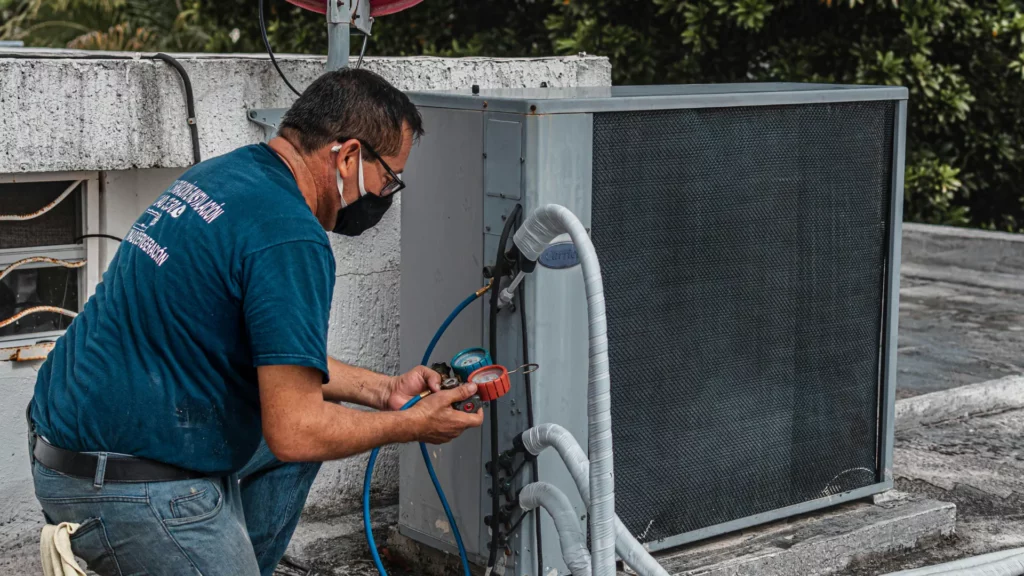
5. Keep Up With HVAC Maintenance Clean filters and scheduled service make a measurable difference. A well-maintained system manages airflow and adapts to humidity fluctuations more effectively. If your system is showing signs of strain, HVAC repair from a qualified team can identify and resolve the underlying issues before they compound.
How To Deal With Dry Air In Colorado?
For homeowners in Colorado Springs, dry air is not a seasonal inconvenience, it is a constant environmental condition that requires a consistent strategy. The goal is not to eliminate it but to manage it effectively year-round.
Homes where humidity is properly controlled feel warmer at lower thermostat settings, see improved air quality, and require less frequent system repairs. Families sleep better, breathe easier, and deal with fewer static and dust-related annoyances. For anyone relying on HVAC in Colorado Springs to maintain comfort through every season, humidity management is not a bonus feature, it is part of the foundation.
Partnering with experienced Colorado Springs HVAC companies like HVAC Authority means getting a solution built for the specific demands of this climate, not a generic fix designed for somewhere else.
If You’re In Colorado Springs, Here’s Your Next Step
If your home feels dry regardless of how much you adjust the thermostat, your system likely needs a humidity-focused solution. HVAC Authority offers assessments that identify whether a whole-home humidifier, a system adjustment, or a targeted maintenance plan will deliver the biggest impact for your situation.
Addressing dry air early protects your equipment, lowers your energy costs, and restores comfort without overworking your system.
Reach out to HVAC Authority and find out what proper heating and cooling in Colorado Springs can actually feel like.