If you live in Colorado Springs, you already know one thing: the weather doesn’t ease into seasons. It flips a switch.
One week it’s sunny and 65°. The next morning you’re scraping frost off your windshield. Your HVAC in Colorado Springs doesn’t get a rest period, it works year-round, shifting from heating to cooling and back again with little warning. That kind of demand has a cost, and the best way to manage it is with a consistent service schedule.
So how often should it be serviced?
In Colorado Springs, you should have your HVAC system professionally serviced twice a year, once in the spring for your air conditioning system and once in the fall for your heating system. This biannual schedule ensures your equipment is prepared for the extreme seasonal shifts common at 6,000+ feet elevation.
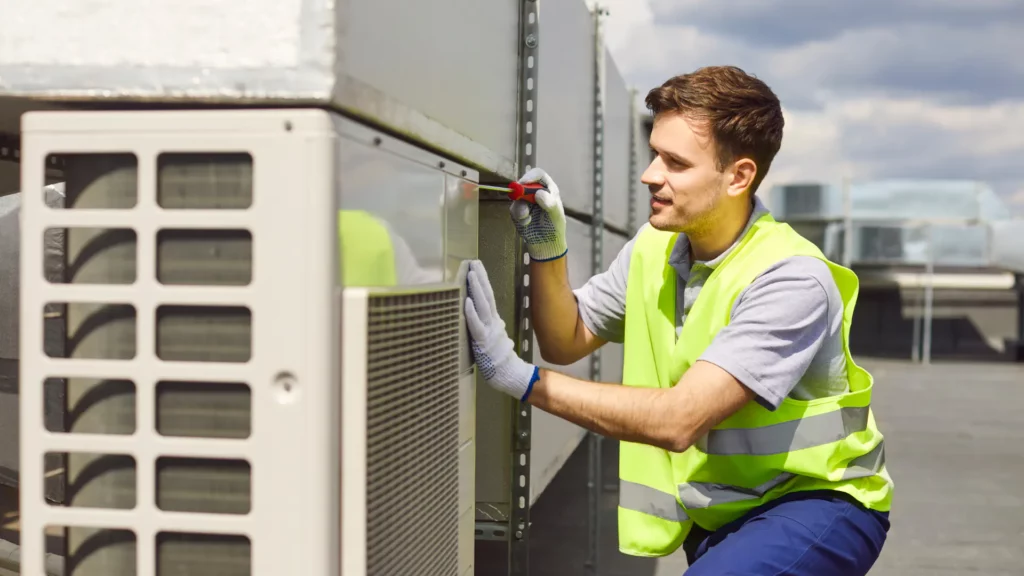
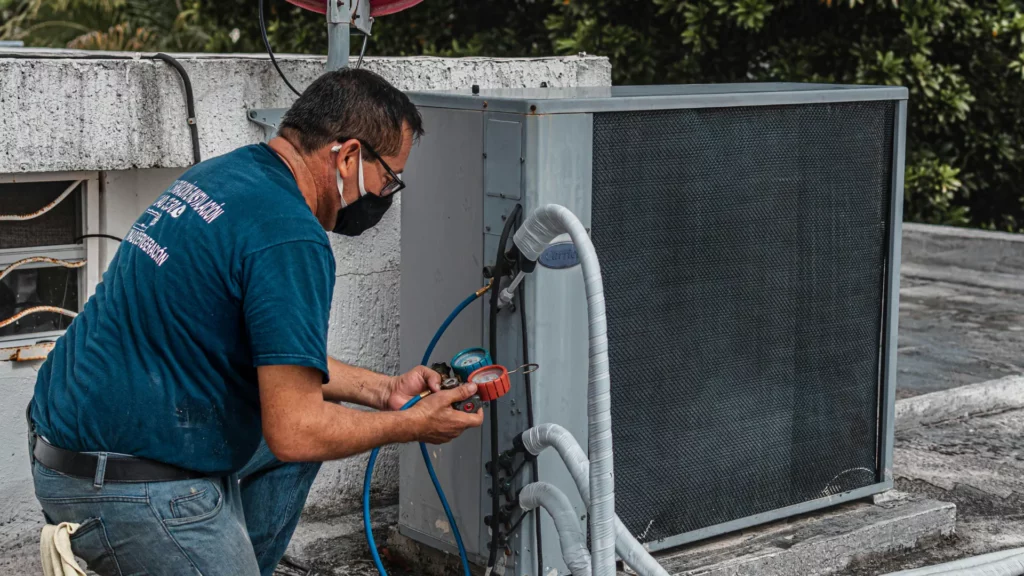
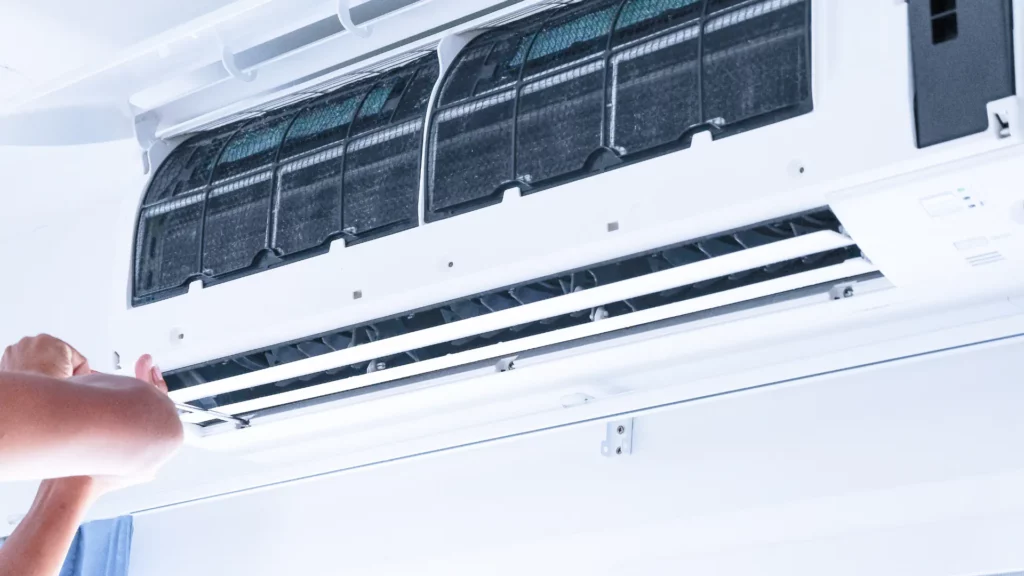
Regular servicing includes inspecting electrical components, cleaning coils, checking refrigerant levels, calibrating thermostats, testing safety controls, and identifying wear before it leads to failure. Twice-yearly maintenance reduces breakdown risk, improves efficiency, extends system lifespan, and helps homeowners avoid costly emergency repairs during peak season.
Short answer: Spring and Fall. Every year. Predictable schedule. Lower risk.
How Often Should an HVAC Be Serviced?
For most homes in Colorado Springs, the practical schedule looks like this:
- Spring (March-May): Air conditioner inspection and tune-up
- Fall (September-October): Furnace inspection and safety check
If your situation falls into one of these categories, adjust accordingly:
- Heat pump owners -service twice per year, since the system runs year-round for both heating and cooling in Colorado Springs
- Older systems (10+ years) – consider more frequent inspections, as component wear accelerates with age and altitude stress
- High-efficiency systems calibrated for altitude – annual recalibration is critical; what’s dialed in at sea level isn’t dialed in here
At over 6,000 feet, combustion systems must be properly adjusted for thinner air. Small inefficiencies that go unaddressed can compound into larger performance issues and larger repair bills.
Why Twice a Year Matters in Colorado Springs
The climate here isn’t moderate. Colorado Springs delivers:
- Sub-zero winter lows that stress heat exchangers and ignition systems
- 90°+ summer highs that push condensers and capacitors to their limits
- Rapid pressure and temperature swings that accelerate mechanical fatigue
- Dry air and wildfire-season dust that clog filters faster than most homeowners expect
These aren’t abstract concerns. HVAC Authority technicians who service homes across Colorado Springs see the same failure patterns season after season and almost all of them trace back to deferred maintenance.
Capacitors wear faster here. Electrical components face heat spikes in summer and cold contraction in winter. Filters that would last three months at lower elevations may need replacement in six weeks during fire season.
Preventative maintenance isn’t about upselling it’s mechanical logic. Systems that are cleaned, calibrated, and tested before peak season fail less often during peak demand. That’s not a sales pitch. That’s a pattern.
What Is the $5000 Rule for HVAC?
The $5,000 rule is a straightforward formula that takes the emotion out of the repair-vs-replace decision. Multiply your system’s age by the estimated repair cost. If the result exceeds $5,000, replacement is often the smarter long-term investment.
Example: A 13-year-old furnace with a $500 repair estimate: 13 × $500 = $6,500. By this formula, replacement deserves serious consideration.
In Colorado Springs, where heating and cooling systems work harder than they would at lower elevations, this formula provides financial clarity when it matters most. HVAC Authority walks homeowners through this calculation on every major repair conversation, no pressure, just numbers.
What Is the 3 Minute Rule for AC?
The 3-minute rule refers to waiting at least three minutes before restarting your air conditioner after it shuts off.
When an AC system powers down, internal pressure needs time to equalize before the compressor restarts safely. Turning the system back on too quickly forces the compressor to work against unequalized pressure and the compressor is the most expensive component in your system to replace.
Most modern thermostats include a built-in delay that protects against this automatically. But manually cycling your system off and on especially during a power flicker or troubleshooting can shorten equipment lifespan if the 3-minute window isn’t respected.
Simple habit. Significant protection.
What’s the Best HVAC Maintenance Schedule?
For Colorado Springs homeowners, a structured plan by HVAC Authority looks like this:
Monthly
- Check air filters
- Replace every 1–3 months; more frequently during wildfire season or in dusty environments
Spring
- AC tune-up and coil cleaning
- Refrigerant level check
- Electrical component testing
- Thermostat calibration
Fall
- Furnace safety inspection
- Heat exchanger check
- Flame sensor cleaning
- Carbon monoxide safety test
Annually
- Ductwork inspection (as needed)
- Airflow balancing
- Full system performance review
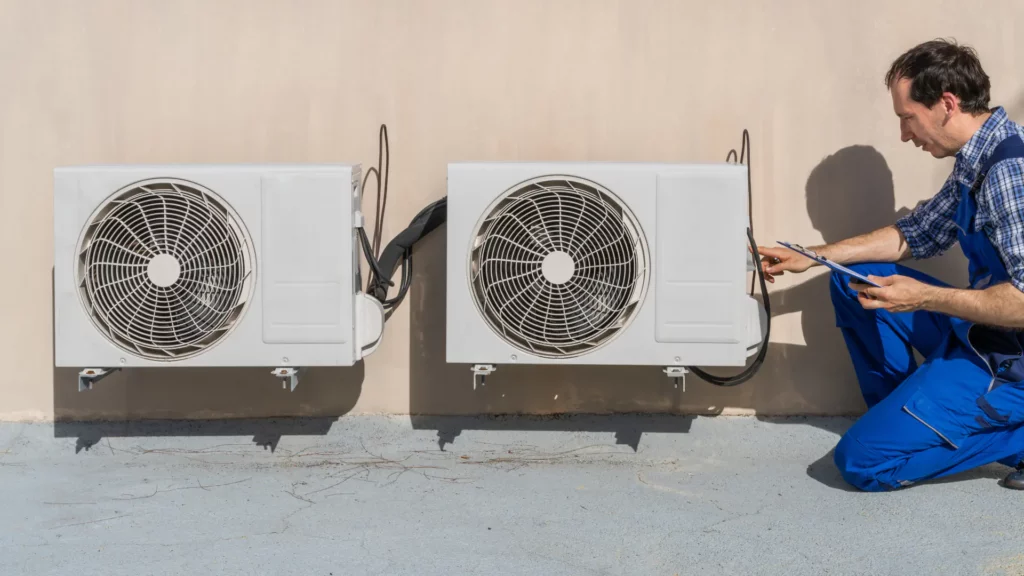
If your home is in Briargate, Broadmoor, or Banning Lewis Ranch, seasonal landscaping debris and wind exposure can affect your outdoor condenser’s airflow. A quick visual check after storms or high-wind events is worth adding to your routine.
Ready to Schedule Your HVAC Service in Colorado Springs?
If you’re in Colorado Springs and want your system ready before the next temperature swing, HVAC Authority makes it easy. A spring and fall maintenance visit from our team keeps small issues small, and keeps your heating and cooling in Colorado Springs performing exactly the way it should when you need it most.
We’re one of the Colorado Springs HVAC companies that shows up with a checklist, not a sales script. Whether you need a routine tune-up, are weighing a colorado springs hvac repair, or are planning a new hvac installation in Colorado Springs, we give you honest answers and clear options.
No pressure. No unnecessary replacements. Just a structured plan that works.
Contact HVAC Authority today to schedule your spring or fall HVAC service in Colorado Springs.