Most homeowners don’t think about their HVAC system until energy bills suddenly climb or certain rooms stop feeling comfortable.
The frustrating part is that the immediate assumption is often the most expensive one — that a full system replacement is the only fix. In reality, most HVAC efficiency problems come from neglected maintenance, airflow restrictions, outdated thermostat settings, or small performance issues that have quietly stacked up over time. Especially in climates with sharp seasonal swings, systems tend to lose efficiency gradually rather than all at once.
The good news is that improving HVAC performance doesn’t always require starting over. With the right adjustments, homeowners can lower utility costs, restore indoor comfort, and extend the life of their existing equipment, without taking on the financial weight of a brand-new installation.
At HVAC Authority, we see this situation constantly. Homeowners come in convinced they need a new system, and after a thorough inspection, we identify two or three fixable issues that restore the performance they thought was gone for good. Before you start pricing out hvac installation Colorado Springs options, it’s worth understanding what’s actually causing your system to underperform.
Why HVAC Systems Lose Efficiency Over Time
HVAC systems don’t fail all at once. Efficiency erodes quietly.
Clogged filters restrict airflow. Duct leaks allow conditioned air to escape before it reaches living spaces. Debris accumulates around outdoor units and limits ventilation. Worn components force the system to run longer to achieve the same result. Each issue on its own might seem minor, but together they can push energy consumption and operating costs significantly higher.
The good news is that most of these issues are fixable, and often at a fraction of the cost of replacement. Homeowners who stay consistent with maintenance and address small problems early almost always get more years of reliable performance from their systems.
For heating and cooling in Colorado Springs, where winters are sharp and summers push equipment hard, that kind of proactive approach makes a real difference in both comfort and cost.
How Can I Make My HVAC System More Energy-Efficient?
Improving HVAC efficiency comes down to one core principle: reduce unnecessary strain on the system.
Start with the fundamentals:
- Replace air filters every 1–3 months: a clogged filter is one of the fastest ways to choke system performance
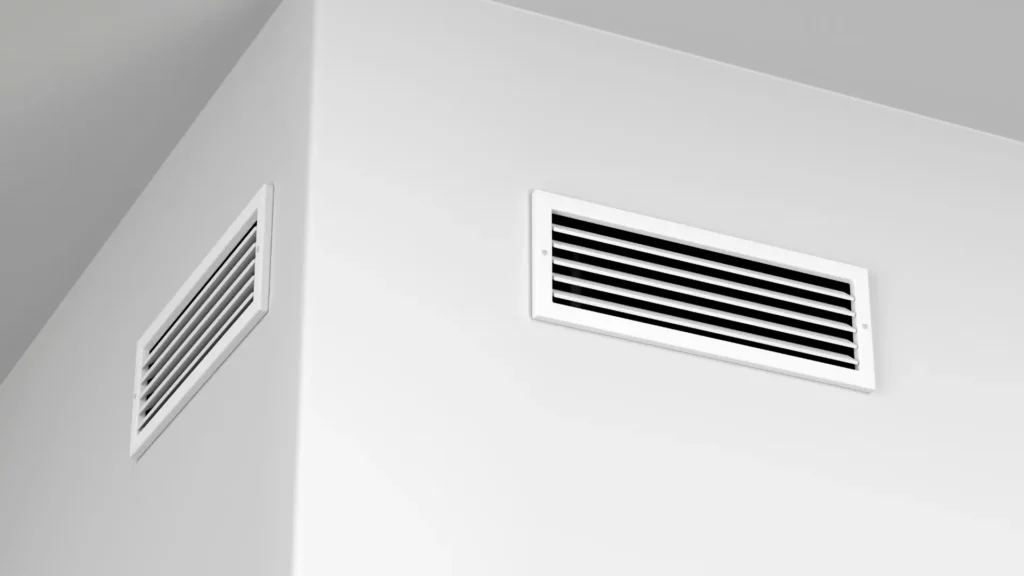
- Keep vents open and unobstructed: furniture and closed vents create pressure imbalances that force the system to overwork
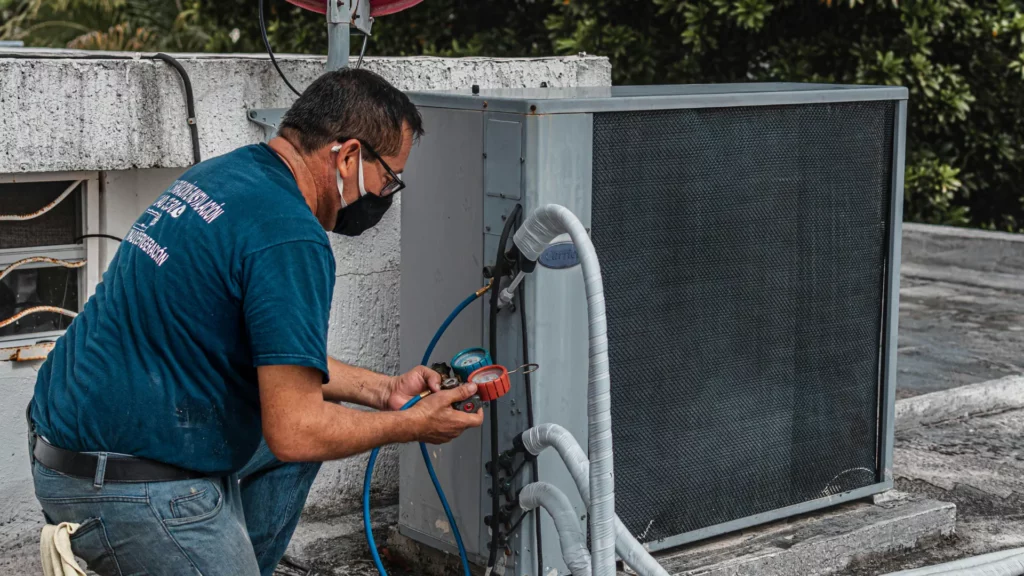
- Schedule seasonal tune-ups: a professional inspection catches wear and calibration issues before they become expensive
- Seal air leaks around windows and doors: conditioned air escaping the envelope makes the system run longer for the same result
- Improve attic insulation: one of the highest-return investments for long-term energy savings
- Clear debris from around the outdoor unit: even a modest buildup can restrict the airflow the system depends on
One issue that often gets overlooked is thermostat behavior. Constantly adjusting temperatures throughout the day forces the system into repeated high-demand cycles that wear on components and spike energy usage. A programmable or smart thermostat creates more stable operation, reduces wasted energy, and can pay for itself quickly.
Ceiling fans are another underrated tool. In summer, they improve air circulation and take load off the air conditioner. In winter, reversing the fan direction pushes warm air back down from the ceiling: a simple adjustment that costs nothing but helps noticeably.
If you’ve made these adjustments and your system still isn’t performing the way it should, it may be time to contact a Colorado Springs HVAC company like HVAC Authority for a more detailed efficiency assessment.
What is The 2 Foot Rule in HVAC?
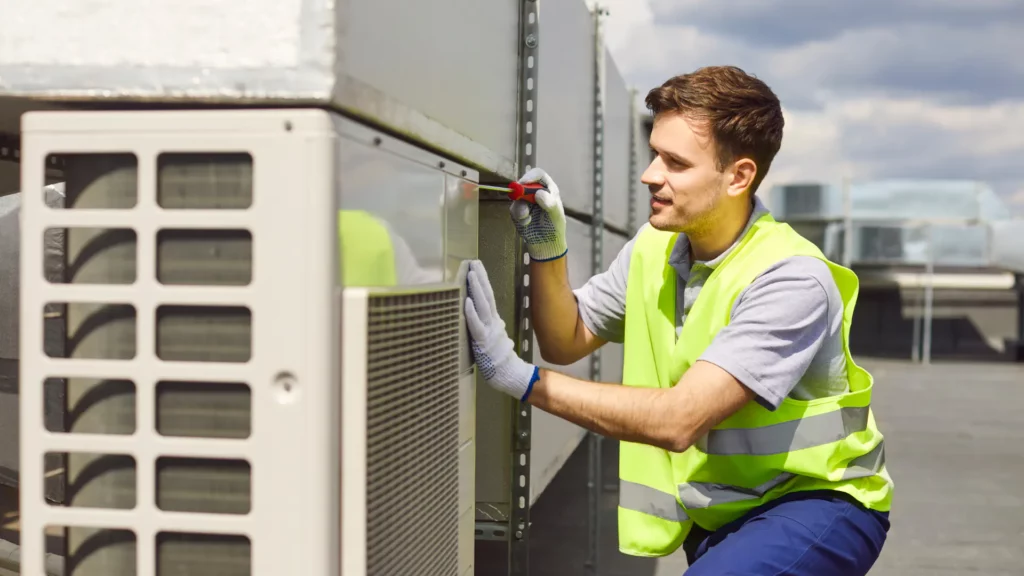
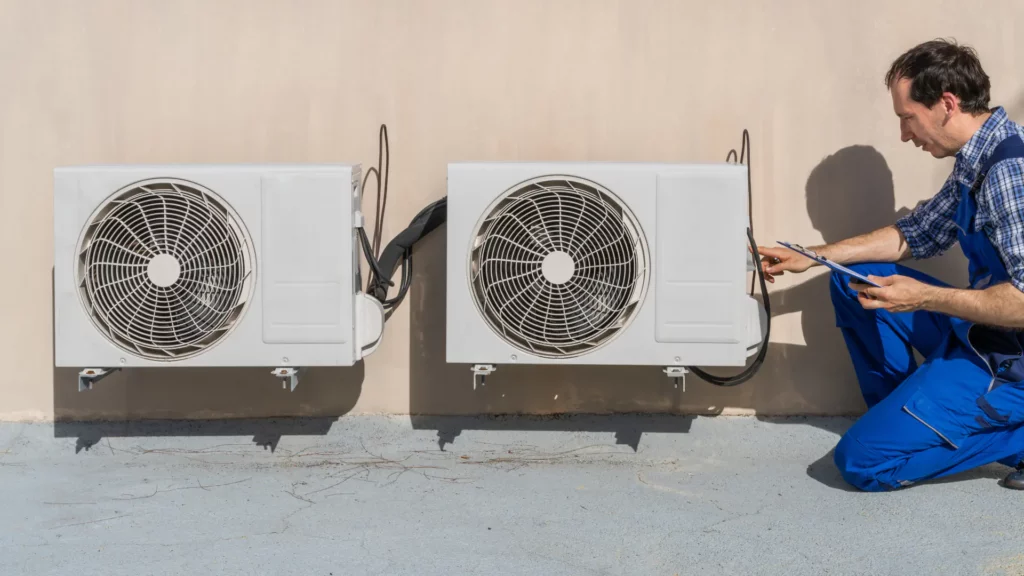
The 2-foot rule in HVAC is straightforward: maintain at least two feet of open space around your outdoor unit on all sides.
That clearance isn’t just about aesthetics, it’s about giving the system room to breathe.
Outdoor condensers and heat pumps release heat as part of normal operation. When shrubs, fencing, storage items, or overgrown landscaping crowd the unit, airflow becomes restricted. The system has to work harder to do the same job, efficiency drops, and equipment lifespan shortens.
Many homeowners create this problem unintentionally. The unit looks cleaner surrounded by landscaping, so they let plants grow in close without realizing the impact. A few inches of extra greenery might not seem significant, but over a season it can measurably affect performance.
Keeping the area around your outdoor unit clean, clear, and open is one of the simplest efficiency improvements available, and it costs nothing.
The HVAC Authority team checks unit clearance as part of every seasonal inspection, and it’s one of the first things we flag when homeowners report inconsistent cooling or heating performance.
What is the $5000 Rule for HVAC?
At some point, every homeowner faces the same question: is it smarter to keep repairing the existing system or invest in a replacement?
The $5,000 rule gives you a practical starting point.
The formula: Multiply the age of your system by the estimated repair cost. If the total exceeds $5,000, replacement often makes more financial sense than continuing to put money into aging equipment.
Here’s how it plays out in practice:
- A 14-year-old system needing a $500 repair equals $7,000
- At that number, most homeowners are better served exploring new hvac installation Colorado Springs options rather than cycling through ongoing repairs
This rule isn’t a definitive answer, it’s a conversation starter. Some systems hold up well past that threshold with the right maintenance history. Others hit it sooner in harsh climates. What matters is getting an honest evaluation from a Colorado Springs HVAC company you trust, rather than making a costly decision based on incomplete information.
HVAC Authority provides straightforward repair-versus-replace assessments with no pressure and no upselling. We tell you what we see and help you make the decision that makes sense for your home and your budget.
What is the 20 Rule for HVAC?
Most well-maintained HVAC systems last between 15 and 20 years. That range depends on several factors:
- Maintenance history: consistent care extends lifespan significantly
- Climate conditions: demanding environments accelerate wear
- System usage: year-round operation in extreme climates shortens the cycle
- Installation quality: a system installed correctly from day one performs better, longer
- Airflow efficiency: chronic restriction quietly shortens equipment life
Once a system approaches the 20-year mark, efficiency often declines noticeably even if the unit is still technically running. Colorado springs hvac repair calls become more frequent. Utility costs climb without explanation. Replacement parts grow harder to source and more expensive when available.
That said, a well-maintained older system can still outperform a neglected newer one. Consistent care matters more than age alone, which is exactly why homeowners who invest in routine maintenance with HVAC Authority often get significantly more value from their equipment before replacement becomes necessary.
Small Improvements, Real Results
Improving HVAC efficiency doesn’t require a major financial commitment in most cases. For many homes, targeted improvements in airflow, maintenance, insulation, and thermostat management deliver noticeable savings and more consistent comfort, season after season.
If your system feels like it’s working harder than it should, that’s a signal worth acting on before it turns into an expensive breakdown or an early replacement. The team at HVAC Authority works with homeowners across Colorado Springs to identify exactly where efficiency is being lost and what it takes to get it back.
Whether you need a seasonal tune-up, a colorado springs hvac repair, or honest guidance on whether your system has more life left in it, HVAC Authority is the Colorado Springs HVAC company built to give you straight answers.
Contact HVAC Authority today and find out what your system is actually capable of.