Colorado Springs winters have a way of testing everything, your tires, your pipes, and definitely your HVAC system.
One day the temperature feels manageable, and the next, Arctic air pushes through the Front Range overnight. During these cold snaps, heating systems often run nonstop for hours, sometimes days, at a stretch. That kind of sustained demand exposes hidden HVAC problems fast, especially in older systems or homes with poor airflow and inadequate insulation.
Many homeowners assume their furnace or heat pump simply needs to “work harder” during extreme cold. But cold weather affects HVAC systems in very specific ways. Ice buildup, blocked airflow, frozen coils, overworked motors, and thermostat inconsistencies can all reduce efficiency and increase the risk of a breakdown at exactly the wrong moment.
At HVAC Authority, we respond to more service calls during Colorado Springs cold snaps than any other time of year, and the majority of them trace back to problems that could have been caught before the temperatures ever dropped. The right preparation makes all the difference between a system that handles winter reliably and one that fails when your family needs it most.
For homeowners focused on heating and cooling in Colorado Springs, protecting your HVAC during cold weather comes down to three things: unrestricted airflow, ice prevention, and consistent maintenance. Not expensive emergency repairs, preparation.
How Cold Snaps Put Your HVAC System Under Pressure
During a cold snap, your HVAC system doesn’t just run more, it runs harder.
Extended heating cycles put additional strain on critical components like blower motors, compressors, and heat exchangers. Outdoor units face ice accumulation when snow blocks ventilation or moisture repeatedly freezes around coils and fan components. High-altitude conditions in Colorado Springs compound these stresses in ways that homeowners at lower elevations simply don’t experience.
The result is a system that quietly accumulates wear during winter’s most demanding stretches. By the time something gives out, the damage has often been building for weeks.
That’s why Colorado Springs HVAC companies like HVAC Authority emphasize pre-season inspections, not as a formality, but as the most practical way to protect your equipment and your comfort before the cold arrives.
How to Prevent Your HVAC From Freezing Up During Winter
Frozen HVAC systems almost always come back to one of two causes: restricted airflow or excessive moisture buildup.
A clogged air filter is the most common culprit. When airflow becomes limited, coils drop too cold and begin icing over. Dirty vents, blocked returns, and closed registers create the same problem by disrupting the circulation your system depends on.
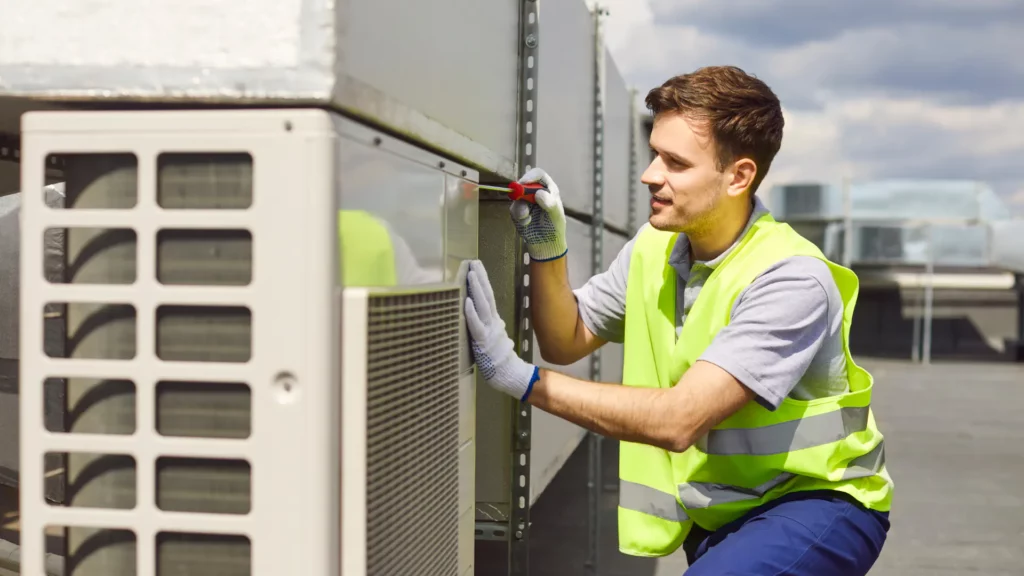
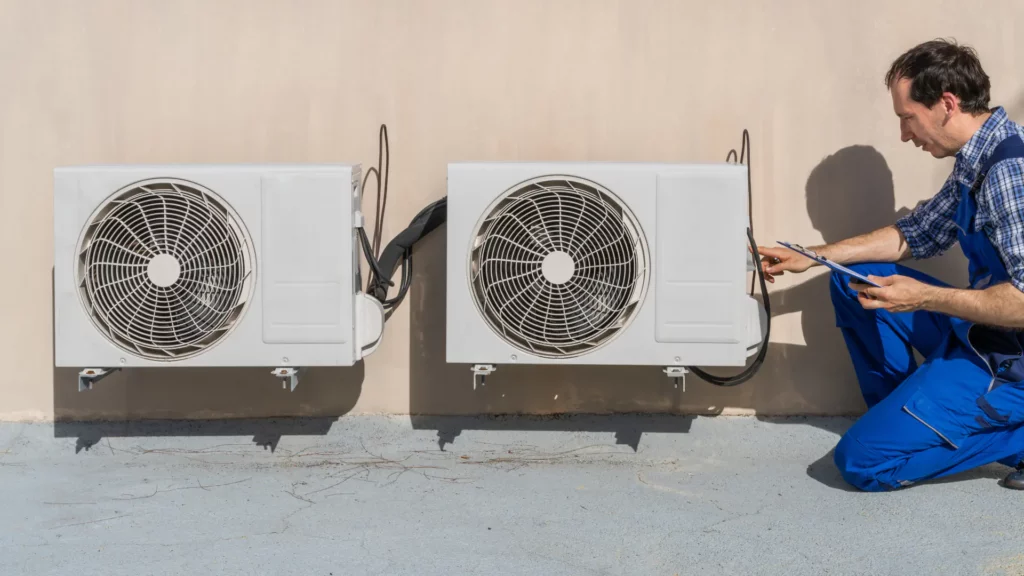
For outdoor units, the rule is simple: keep them clear. After any significant snowfall, gently remove buildup from around the unit using a soft broom, never sharp tools that can damage fins or coils. Maintain at least two feet of open clearance on all sides to protect ventilation.
Beyond that, watch for early warning signs that something is wrong:
- Ice forming on the outdoor unit or refrigerant lines
- Weak or uneven airflow from vents
- The system cycling on and off more frequently than normal
- Unusual rattling, buzzing, or grinding sounds during operation
- Rooms that struggle to stay warm even with the system running
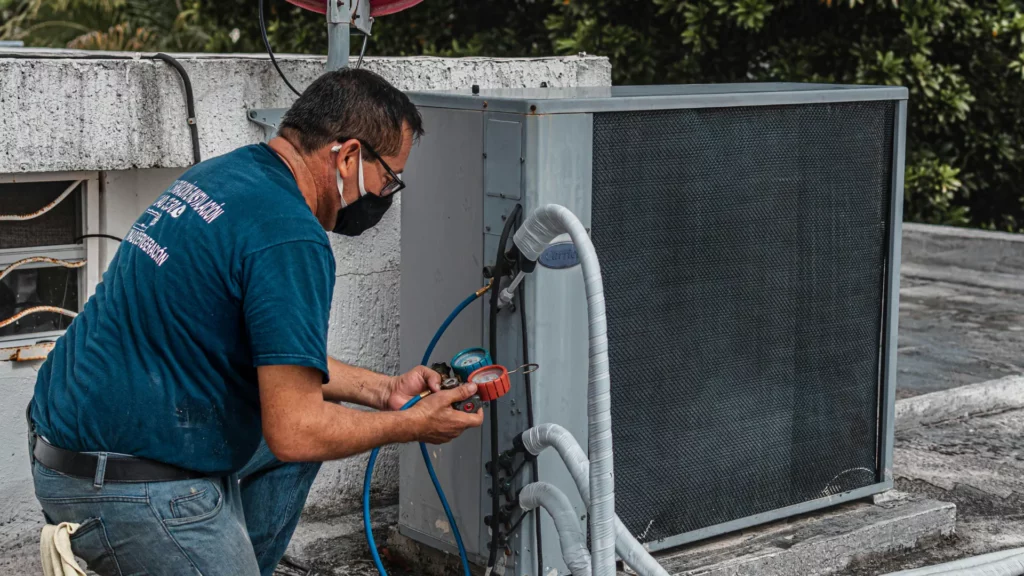
These are signals worth acting on immediately. A quick colorado springs hvac repair call to HVAC Authority early in the season almost always costs far less than an emergency response in the middle of a cold snap.
How to Protect Your HVAC System During Colorado Spring Cold Snaps?
During an ice storm, the goal is to protect the unit, not seal it off entirely.
Completely wrapping your outdoor unit with plastic sheeting or tarps is a mistake most homeowners make with good intentions. Enclosed coverings trap condensation, accelerate rust, and block the ventilation the system needs to function safely.
What actually works is a breathable top cover designed specifically for outdoor condensers or heat pumps. These covers protect the fan area from falling ice and debris while keeping airflow open around the sides, protection without suffocation.
If ice accumulates on the unit during a storm, resist the urge to chip it away. That approach damages coils and fins far more easily than most people expect. Let the system’s built-in defrost cycle do its job. If the buildup becomes excessive or the defrost cycle isn’t clearing it, that’s when you call a trusted Colorado Springs HVAC company rather than improvising with a hammer.
HVAC Authority receives a significant number of service calls every winter from homeowners who caused additional damage trying to de-ice their unit manually. A professional assessment takes far less time, and money, than a coil replacement.
What Are The 4 P’s to Protect in Cold Weather?
Most Colorado homeowners have heard the “4 P’s” of winter weather preparation:
- People
- Pets
- Pipes
- Plants
It’s solid guidance, but in Colorado Springs, your HVAC system deserves a place on that list too.
Your heating system becomes one of the most critical components of your home during a severe cold snap. Protecting it means protecting indoor comfort, energy efficiency, and even your plumbing, because stable indoor temperatures are what keep pipes from freezing in the first place.
The majority of winter HVAC emergencies the team at HVAC Authority responds to happen during the first major cold snap of the season. Systems that haven’t been inspected or serviced ahead of time are caught unprepared. A little attention in October or November prevents a lot of stress in January.
Think of HVAC care as a fifth P worth adding to the list, and build it into your annual winter prep the same way you would pipe insulation or weatherstripping.
What is The $5000 Rule for HVAC?
Colorado Springs cold snaps have a way of pushing aging HVAC systems past their limits. If your system is older and has needed repairs in recent seasons, winter is a reasonable time to ask whether continued investment still makes sense.
The $5,000 rule gives homeowners a practical starting point for that decision.
The formula: Multiply the repair cost by the age of the system. If the total exceeds $5,000, replacement is often the smarter long-term investment.
Here’s what that looks like in practice:
- A 13-year-old system needing a $500 repair equals $6,500
- At that number, many homeowners are better served exploring hvac installation Colorado Springs options rather than putting more money into a system that may not last another full winter
This rule isn’t a rigid formula, it’s a starting point for an honest conversation. Some systems hold up well beyond that threshold with strong maintenance histories. Others hit that number early because of chronic neglect or installation issues. What matters is getting a straight assessment from a Colorado Springs HVAC company you trust.
HVAC Authority provides repair-versus-replace evaluations with no pressure and no upsell agenda. We look at the system, tell you what we see, and help you make the decision that makes the most sense for your home and your budget, especially heading into the coldest stretch of the year.
Protect Your System Before the Next Cold Snap Arrives
Colorado Springs cold snaps are hard on HVAC equipment, but they don’t have to mean emergency repairs and uncomfortable nights. Keeping airflow open, preventing ice buildup, replacing filters consistently, and scheduling a seasonal inspection before temperatures drop are the steps that separate systems that struggle through winter from those that handle it without issue.
If your system showed any signs of strain last winter, now is the time to address them. Waiting until the next cold snap makes every problem harder to solve and every repair more expensive.
The HVAC Authority team works with homeowners across Colorado Springs to make sure their systems are ready before winter demands peak. Whether you need a preventative tune-up, a colorado springs hvac repair, or guidance on whether your current system is worth keeping, we give you the answers you need without wasting your time.
Contact HVAC Authority today and head into winter with confidence.