When Your AC Won’t Stop Running but Still Feels Warm
If your HVAC system keeps running but your home in Colorado Springs still feels warm, something is not working the way it should. This is not just frustrating, it usually signals an underlying issue that will not fix itself over time.
In a climate like Colorado Springs, where temperatures can shift quickly and systems work hard during peak heat, small inefficiencies tend to show up fast. A system that runs constantly without cooling is almost always dealing with restricted airflow, low refrigerant, or a component that is no longer functioning at full capacity.
Why Is My HVAC System Running But Not Cooling?
When your HVAC system runs continuously without cooling, it typically means the system cannot remove heat effectively from your home. This can happen for several reasons, but the most common include clogged air filters, dirty condenser coils, refrigerant leaks, or a failing compressor. Each of these issues limits the system’s ability to transfer heat, which is the core function of air conditioning.
In Colorado Springs, altitude also plays a role. At over 6,000 feet above sea level, thinner air can slightly reduce system efficiency, especially if the unit was not properly sized or calibrated for high-altitude conditions. When combined with dust, dry air, and heavy seasonal usage, the system may run longer cycles just to try and keep up.
Another factor is thermostat settings or calibration issues. If the thermostat reads the temperature incorrectly, it may keep the system running even when cooling is not improving. Over time, this leads to higher energy bills and increased wear on critical components.
What Is the 3 Minute Rule for Air Conditioners?
The 3 minute rule refers to the delay many systems use before restarting after shutting off. This protects the compressor from damage by allowing pressure to stabilize before turning back on.
If your system is constantly running, this rule is not being triggered because the unit never reaches the point where it can cycle off. That alone is a sign the system is struggling to meet the set temperature.
Should I Turn Off My AC If It’s Not Cooling?
Yes, in most cases you should turn it off if it is clearly not cooling. Letting it run continuously can cause more damage, especially if the issue involves low refrigerant or a failing compressor.
A good approach is to:
- Turn the system off for a short period
- Check the air filter and replace it if needed
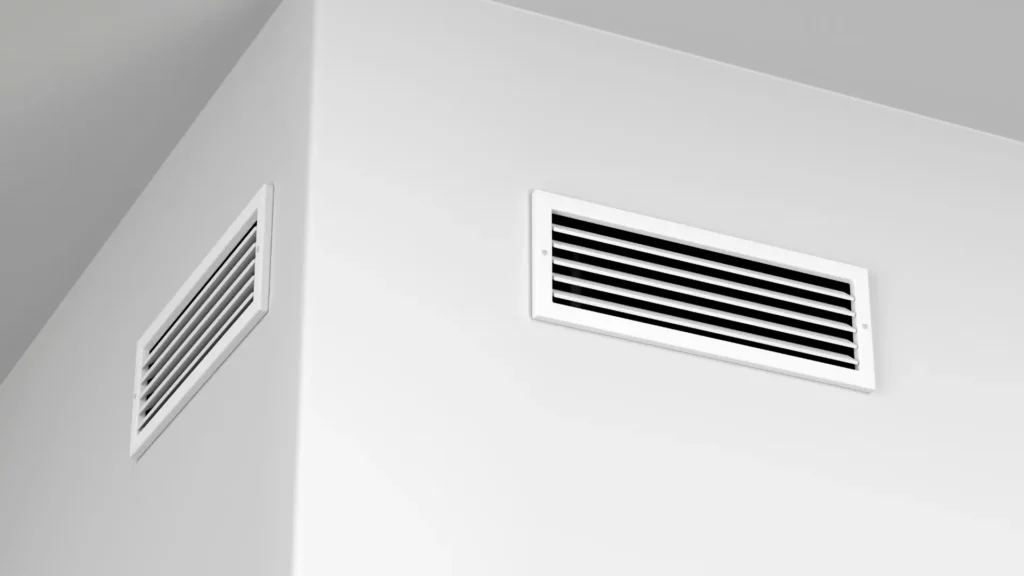
- Inspect vents to ensure airflow is not blocked
If the problem continues after restarting, it is best to stop running the system and have it inspected. Running a malfunctioning AC rarely fixes the issue and often makes repairs more expensive.
What Are Signs of a Refrigerant Leak?
Refrigerant issues are one of the most common causes of this problem. Watch for:
- Air blowing from vents that feels warm or only slightly cool
- Ice forming on the outdoor unit or refrigerant lines
- Hissing or bubbling sounds near the system
- Longer run times with little improvement in temperature
Refrigerant does not get “used up.” If levels are low, there is almost always a leak that needs professional repair.
A Practical Way to Fix the Problem Before It Gets Worse
Start with the basics. Replace your air filter, clear any debris around the outdoor unit, and make sure vents are open and unobstructed. These steps solve more issues than most people expect.
If the system still runs constantly without cooling, the next step is a professional inspection. At that point, the issue is likely tied to refrigerant, electrical components, or system sizing.
If you are in Colorado Springs, addressing this early can save you from a full system breakdown during peak summer. A simple diagnostic now is often the difference between a minor repair and a major replacement.