You set the thermostat to a comfortable temperature, walk through your home, and somehow one room feels like a sauna while another feels like a walk-in freezer. It’s one of the most common frustrations for hvac Colorado Springs homeowners, especially in houses dealing with seasonal extremes and multi-level layouts.
The tricky part is that uneven room temperatures don’t usually mean your system is broken. More often, it’s a sign that airflow, insulation, or system balancing isn’t working evenly across the house. In a climate like Colorado Springs, where winter cold snaps and dry air constantly test your heating system, small imbalances become very noticeable, very fast. The good news is that most of these issues can be identified and corrected without replacing your entire system. At HVAC Authority, we diagnose and resolve these exact problems for Colorado Springs homeowners every season.
The Real Reason Your Home Heats and Cools Unevenly
One room running hotter or colder than the rest of the house is usually caused by uneven airflow, insulation differences, or ductwork issues, not a failing system. Among colorado springs hvac companies, this is one of the most frequently misdiagnosed problems, and it leads homeowners to spend money on equipment they don’t actually need.
In Colorado Springs homes, uneven heating and cooling Colorado Springs performance is especially common because of dramatic temperature swings, multi-level layouts, and high-altitude air conditions that already strain system balance. Rooms far from the HVAC unit, or located above garages, often receive weaker airflow, making them colder in winter. Meanwhile, rooms with more sun exposure or poor ventilation trap heat and feel noticeably warmer than the rest of the house.
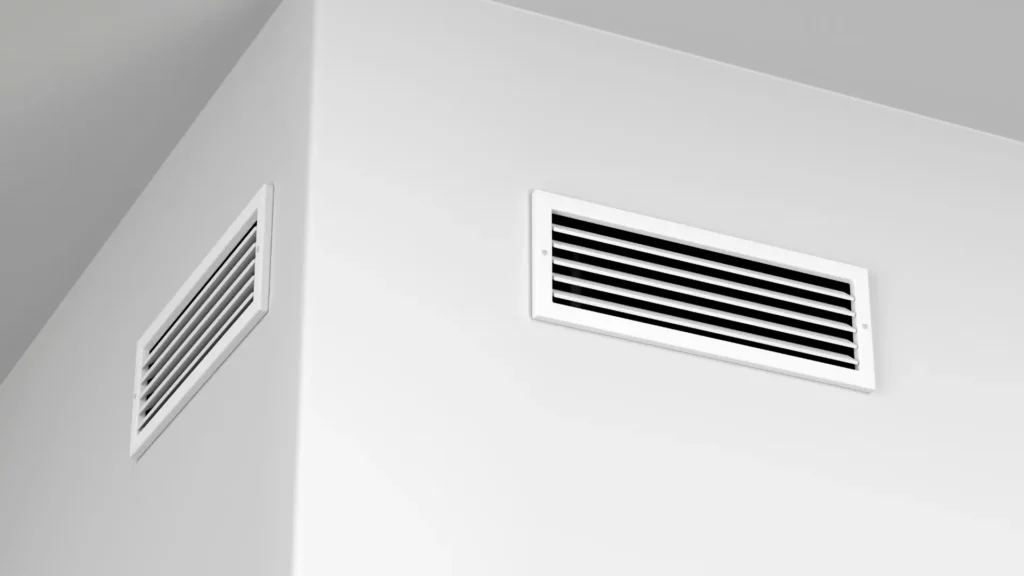
Blocked or partially closed vents, leaky ductwork, and unbalanced dampers can all disrupt how air is distributed. Even something as simple as furniture blocking a return vent can throw off the entire system. In most cases, the solution isn’t a full hvac installation Colorado Springs replacement, it’s correcting airflow distribution, sealing duct leaks, and improving insulation where it’s falling short. Once the system is properly balanced, most homes see a measurable improvement in comfort within hours or days.
What Colorado Springs Homes Deal With That Others Don’t
In neighborhoods like Briargate or older central districts, uneven temperatures often appear after homeowners upgrade one part of their home, replacing windows, finishing a basement, or adding insulation in one area, without adjusting the HVAC balance to match. The system keeps pushing air the same way it always has, but the home’s heat retention has shifted, creating new hot zones and cold pockets that weren’t there before.
Basements are especially tricky in this region. They naturally stay colder due to ground contact, while upper floors heat up faster from rising warm air and roof exposure. Without proper zoning or airflow adjustments, families end up constantly adjusting the thermostat, never quite reaching a stable comfort level throughout the home. HVAC Authority addresses these structural patterns directly, because a fix that ignores how Colorado homes are built rarely holds up through a full winter.
How do you fix one room being colder than the rest of the house?
Start by checking for airflow restrictions. Make sure vents are fully open and not blocked by furniture or rugs, then inspect air filters, dirty filters reduce airflow and worsen uneven heating and cooling Colorado Springs distribution. If the issue continues, duct sealing or balancing dampers may be needed to redirect air more evenly. Colorado springs hvac repair professionals can run a full airflow diagnostic to identify exactly where distribution is breaking down.
Why is one room hotter than the rest in winter?
Heat rises, and rooms with more sunlight exposure or poor ventilation tend to trap warm air. In winter, upper floors often overheat while lower levels stay cold. Poor insulation or leaky ductwork amplifies this imbalance, which is especially common in older Colorado Springs homes where hvac installation Colorado Springs standards have changed significantly over the decades.
Does having the AC on 72 instead of 70 make it cheaper?
Yes, but only slightly. Each degree you adjust your thermostat affects energy use, but the savings between 70°F and 72°F are minimal compared to the impact of insulation quality, system efficiency, and runtime. For hvac Colorado Springs homeowners, inconsistent temperatures across rooms cost more in the long run than small thermostat adjustments.
How do you fix uneven room temperature?
The most effective solutions include duct sealing, installing zoning systems, balancing airflow dampers, upgrading insulation, and ensuring the system is correctly sized for the home. In some cases, adding return vents in problem areas significantly improves circulation. HVAC Authority walks homeowners through each option so they understand exactly what’s causing the imbalance before any work begins, no guesswork, no unnecessary upsells.
You Don’t Need a New System, You Need the Right Assessment
If you’re in Colorado Springs and dealing with rooms that never seem to match the rest of your home, the problem is almost always fixable without a full replacement. A professional evaluation from one of the leading colorado springs hvac companies can pinpoint exactly where airflow is being lost or restricted, and give you a clear path to consistent comfort.
HVAC Authority provides colorado springs hvac repair diagnostics and full system balancing assessments for homeowners across the region. Whether it’s a cold basement, a stuffy upstairs bedroom, or a room that never hits the right temperature regardless of the season, we identify the cause and restore even heating and cooling Colorado Springs performance throughout your home, so every room finally feels right, no matter what the weather is doing outside.