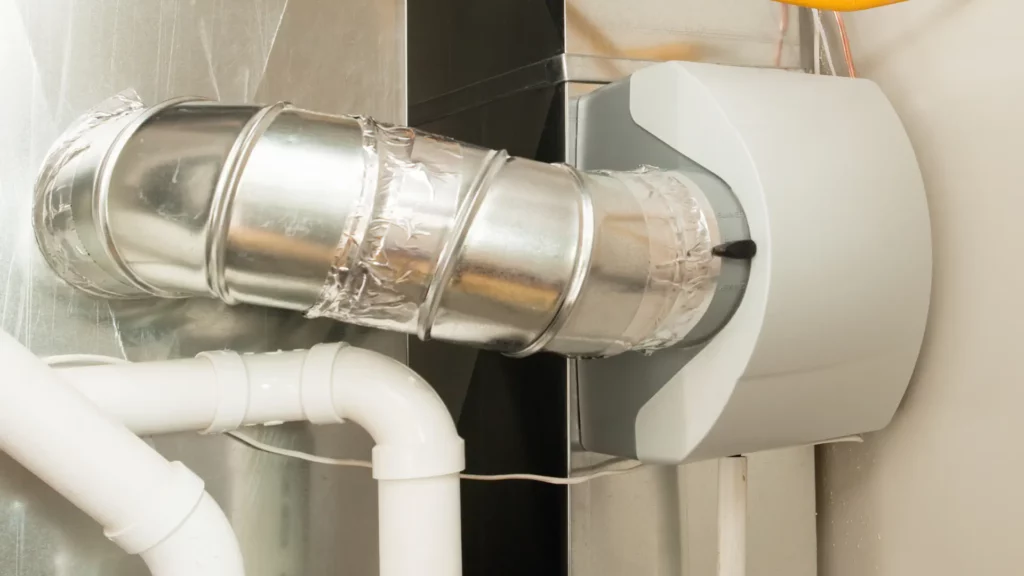
If you’ve ever felt like your furnace is running nonstop through winter while your house still isn’t as warm as it should be, you’re not imagining it. Homeowners across Colorado Springs notice the same pattern every year, higher heating bills, longer furnace cycles, and uneven indoor comfort. It usually leads to the same question: “Is something wrong with my system, or is Colorado just different?”
The answer is both, and it’s very specific to where you live. At HVAC Authority, we hear this from Colorado Springs homeowners constantly, and the explanation matters more than most people realize.
The Real Reason Your Furnace Runs So Hard Here
Your furnace works harder in Colorado Springs because of three local conditions working against it simultaneously: high altitude, extreme temperature swings, and relentlessly dry mountain air.
At over 6,000 feet above sea level, the air contains significantly less oxygen. That directly affects how efficiently fuel burns inside a gas furnace, systems at elevation need longer run times to produce the same amount of heat that furnaces at lower altitudes generate faster. On top of that, Colorado Springs experiences some of the most rapid weather shifts in the country. Sunny afternoons can drop into freezing nights within hours, forcing your system to cycle more frequently just to maintain a steady indoor temperature.
Dry air adds another layer of strain. Low humidity causes heat to escape faster and makes indoor spaces feel cooler than the thermostat reads, pushing homeowners to turn it up further. Combined, these three factors create a heavier workload for your system even when it’s in perfect working order. In most cases, the furnace isn’t failing. It’s operating under more demanding environmental conditions than systems in other parts of the country ever face.
Understanding this distinction helps homeowners in Colorado Springs set realistic expectations and make smarter decisions about maintenance, upgrades, and energy use throughout the heating season. It’s also why choosing the right Colorado Springs HVAC companies, ones who understand high-altitude performance, makes such a measurable difference in comfort and cost.
A Local Pattern Worth Knowing
In neighborhoods like Briargate and older sections of Colorado Springs, it’s common for homeowners to assume their furnace is “aging poorly” when winter bills spike. The technicians at HVAC Authority regularly find the opposite, the system is functioning normally but being pushed harder than expected due to altitude-related combustion efficiency and longer cold cycles.
Two homes with identical furnaces, one at sea level, one in Colorado Springs, can have noticeably different comfort levels and energy costs through no fault of either system. That context changes everything about how you evaluate your heating and cooling in Colorado Springs.
How Long Should a Furnace Last in Colorado?
Most furnaces are rated for 15–20 years, but in Colorado Springs, lifespan tends toward the lower end without proper altitude-specific maintenance. Frequent cycling, dry air strain, and combustion inefficiency at elevation all accelerate wear. Regular tune-ups from a qualified HVAC company in Colorado Springs ensure burners are calibrated correctly for high-altitude conditions and that airflow remains balanced throughout the home, both of which extend system life and protect your investment.
Does Colorado Springs Get Humid?
No, Colorado Springs runs dry year-round, and winter is the worst of it. Low indoor humidity makes warm air feel cooler than it is, increases heat loss, and drives up heating demand in ways most homeowners don’t connect to their utility bills. Static electricity, dry skin, and that persistent “cold house” feeling despite a running furnace are all common symptoms. A whole-home humidifier, paired with a proper heating and cooling system in Colorado Springs, can noticeably reduce how hard your furnace has to work.
Why Are So Many People Leaving Colorado Springs?
Migration trends vary, and the reasons people cite are wide-ranging, cost of living, housing demand, and lifestyle factors all come up. From a home comfort standpoint, the extreme seasonal swings here can genuinely affect how people feel about long-term livability, particularly when HVAC in Colorado Springs systems aren’t optimized for the local environment. A well-sized, properly tuned system changes that experience significantly. Homes that are consistently comfortable through Colorado’s temperature extremes are simply easier to live in.
Do Heat Pumps Work Well in Colorado?
Yes, with the right system and the right installation. Modern cold-climate heat pumps perform effectively in Colorado Springs, especially when paired with a backup heating source for the most extreme cold snaps. Traditional gas furnaces remain widely used here for their reliability during hard freezes. The best choice depends on your home’s insulation, your energy goals, and whether the system is sized and configured for high-altitude operation.
HVAC Authority handles HVAC installation in Colorado Springs for both systems, and we’ll help you evaluate which option fits your home, your budget, and Colorado’s climate demands before any equipment gets ordered. If your current system is underperforming, our Colorado Springs HVAC repair team can also assess whether a tune-up, a retrofit, or a full replacement makes more financial sense long-term.
Your Furnace Probably Doesn’t Need Replacing, It Needs the Right Evaluation
If your furnace feels like it’s working harder than it should, the problem often isn’t the equipment. It’s that the system was never properly assessed for Colorado Springs’ specific altitude and climate conditions. A professional high-altitude evaluation from HVAC Authority can confirm whether your system is operating at its best, or identify small adjustments that improve comfort and reduce energy strain without a costly replacement.
Colorado Springs HVAC repair and maintenance calls are most valuable before winter peaks, not during it. Don’t wait until your system is struggling on the coldest night of the year. Reach out to HVAC Authority today and get your heating system evaluated by technicians who understand exactly what this city demands from it.